Building Fitness: Exercise Plans for Dressage Horses and Ponies
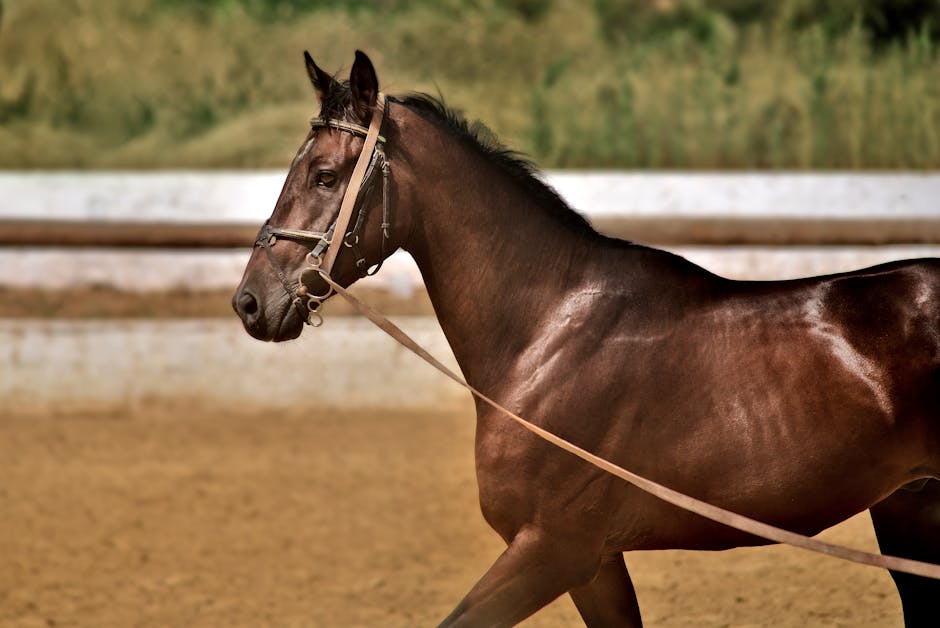
A dressage horse's fitness is fundamental to its performance and longevity. Unlike racing, where fitness is purely about speed, dressage fitness focuses on building the muscle, balance, and suppleness needed for precision and collection.
Understanding Dressage Fitness
Dressage horses need strong hindquarters, core stability, and flexibility. They must carry weight on their back legs while maintaining balance and responding to subtle aids. This is very different from the fitness needed for jumping or galloping.
Building this fitness takes time. A gradual approach prevents injury and creates a solid foundation for your horse's career.
A Practical Weekly Schedule
A typical week for a dressage horse in training might look like this:
- Monday: Easy walk and trot session, 45 minutes
- Tuesday: Schooling session with transitions and basic movements, 50 minutes
- Wednesday: Hacking out or loose schooling in a field
- Thursday: Focused dressage schooling with collection work, 60 minutes
- Friday: Easy session or light hacking, 45 minutes
- Saturday: Competition or harder schooling session
- Sunday: Rest day or gentle walking
Progressive Training
Start every session with a thorough warm-up. Walk for 10-15 minutes on a long rein, allowing your horse to relax and loosen its muscles. Then gradually introduce trotting and cantering before moving into more demanding work.
Gradually increase the intensity and duration of schooling sessions. A young horse might start with 30-minute sessions and progress to 60 minutes over several months.
Hacking and Variety
Don't underestimate the value of hacking. Riding out over varied terrain builds natural fitness, improves balance, and keeps your horse's mind engaged. Aim for at least one good hack per week.
Loose schooling in a field, where your horse moves freely without a rider, is also beneficial. Many horses enjoy this and it provides a mental break from structured work.
Rest and Recovery
Rest days are not laziness—they're essential. Your horse's muscles repair and strengthen during rest, not during exercise. Ensure your horse has adequate turnout, ideally in a field with other horses.
Monitoring Progress
Watch for signs of improvement: your horse moves with more impulsion, transitions become smoother, and collection improves. If your horse seems stale or resistant, it might need more variety or rest.
Regular veterinary check-ups help identify any developing issues early. A physiotherapist can also assess your horse's muscle development and suggest adjustments to your training plan.
Remember, patience is key. Building genuine fitness takes months, but the investment pays dividends in performance and durability.