Preparing for Your First Dressage Competition: What to Expect
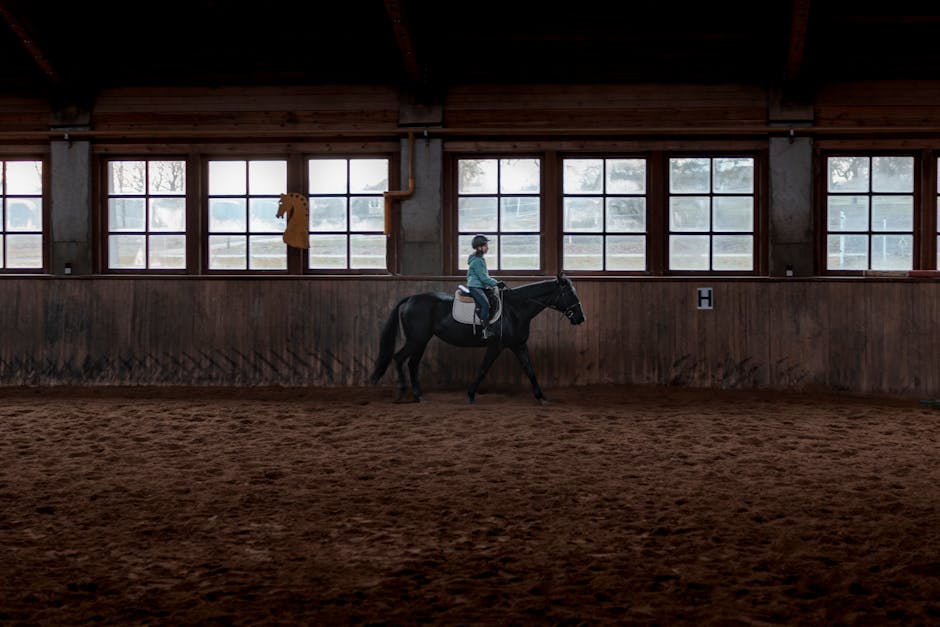
Your first dressage competition is an exciting milestone. Knowing what to expect beforehand can transform nerves into positive anticipation and help you perform your best.
Choosing Your First Competition
Start with unaffiliated competitions run by local riding clubs. These are less formal than affiliated events and provide a perfect introduction to the competitive environment. The entry fees are lower, and the atmosphere is more relaxed, allowing you to focus on your riding rather than worrying about high stakes.
Understanding the Format
At a dressage competition, you'll perform a set sequence of movements called a "test" in a 20m x 60m arena. The test is ridden in front of judges who score each movement on a scale of 0-10. Your overall score determines your placing.
Tests are timed, and you'll ride in a specific order. You'll typically have a warm-up period before entering the arena. Most unaffiliated competitions allow you to watch other riders first, which helps you understand the layout and see how it's done.
Preparing Your Horse
In the weeks before competition, ensure your horse is fit and healthy. A veterinary check-up is wise, particularly if you haven't competed before. Your farrier should trim your horse's feet well before the event, and you might consider a professional groom the day before to ensure your horse looks immaculate.
On competition day, arrive early. This gives you time to settle your horse, walk the course if possible, and complete the warm-up without rushing.
What to Wear
Dressage has strict dress codes. You'll need:
- A riding jacket (black or navy for lower levels)
- Jodhpurs or riding trousers (cream, tan, or black)
- Riding boots (black and polished)
- A helmet with a silk cover (usually black or navy)
- Gloves (black, navy, brown, or cream)
- A shirt with a collar and tie or ratcatcher
Looking the part boosts your confidence and shows respect for the discipline.
The Warm-Up
Don't over-work your horse in the warm-up area. A gentle walk, some trotting, and a few canters are sufficient. Keep your horse fresh and responsive for the actual test. Your instructor can guide you through this.
In the Arena
Remember that judges are looking for a partnership between you and your horse. Even if you make a mistake, stay calm and continue. A composed rider who makes an error often scores better than a panicked one.
After your test, you'll receive scoresheets showing how each movement was marked. Use these comments to identify areas for improvement with your instructor.
Your first competition is about gaining experience and enjoying the journey. Focus on that, and the results will follow naturally.